Crypto for freelancers
What Are Stablecoins? A Freelancer's Guide to USDC and USDT
By Robert H.
Stablecoins like USDC and USDT let freelancers get paid in crypto without the price swings. Here is what they are and why they work.
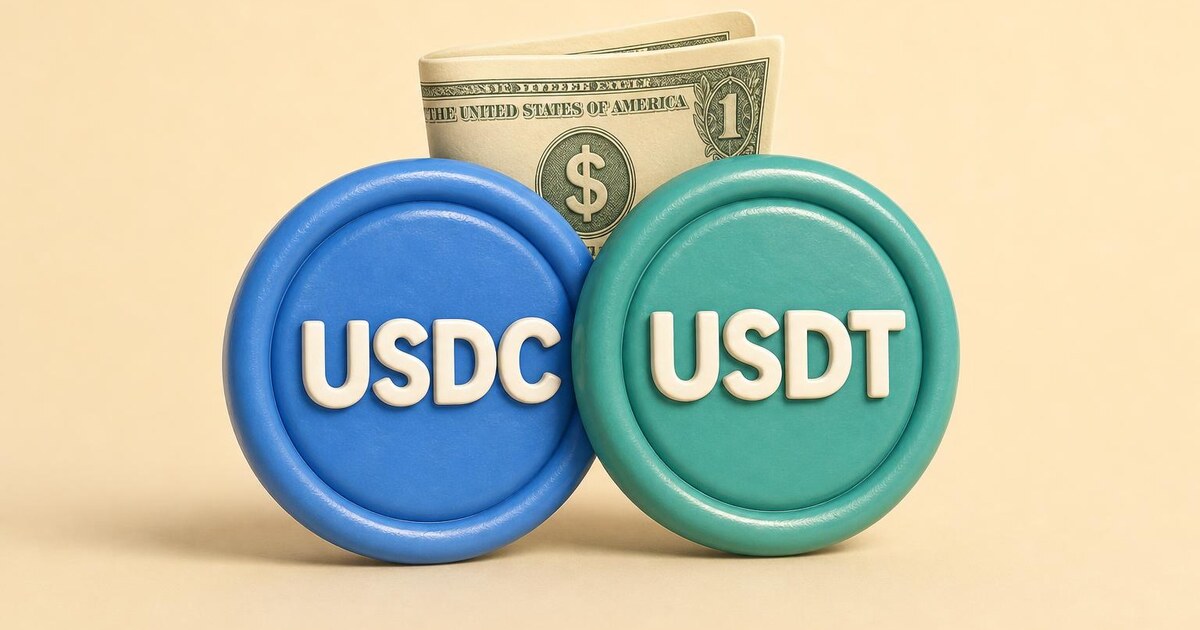
What are stablecoins, and why is half the freelance world suddenly getting paid in them? If you have heard the words USDC or USDT thrown around and quietly nodded along, you are not alone. Crypto can feel like a different language. But stablecoins are actually one of the easiest parts to understand, and for freelancers they might be the most useful crypto of all. Let us break it down in plain words, no jargon, no hype.
What is a stablecoin?
A stablecoin is a type of crypto designed to hold a steady value, usually pegged one to one with a real-world currency like the US dollar. So one USDC is meant to always be worth about one dollar, and one USDT about one dollar too.
That is the whole point. Regular crypto like Bitcoin can swing 10% in a day, which is exciting if you are trading and stressful if you are trying to get paid. Stablecoins strip that out. They give you the good parts of crypto, fast, global, low fees, without the rollercoaster. The two biggest are USDC, issued by Circle, and USDT, issued by Tether. Together they make up the large majority of all stablecoin payments in the world.
How do stablecoins stay stable?
They stay stable because each coin is backed by real reserves. For every USDC or USDT in circulation, the issuer holds an equivalent value in assets like cash and short-term government bonds.
In simple terms: the company behind the coin promises that you can always redeem one stablecoin for one dollar, and they hold the money to back that promise. That is what keeps the price glued to a dollar instead of floating around. You can see this for yourself: check USDC or USDT on a site like CoinGecko and you will notice the price barely moves from 1.00, day in, day out. That flat line is exactly why freelancers trust them for getting paid.
USDC vs USDT: what is the difference?
Both are dollar-pegged stablecoins, so for getting paid they work almost the same. The main differences are who issues them and how they are regulated.
USDC is issued by Circle, a US company that leans heavily on transparency and regulatory compliance, which is why a lot of businesses prefer it. USDT, issued by Tether, is the oldest and most widely used stablecoin, with the deepest liquidity across exchanges and chains. For a freelancer, the practical takeaway is simple: both hold their value at a dollar, both are easy to receive, and which one you accept often just comes down to what your client uses. Many freelancers happily accept both.
Why do freelancers want to get paid in stablecoins?
Because stablecoins solve the three biggest headaches of getting paid across borders: speed, cost, and currency risk. A stablecoin payment lands in minutes, costs cents in fees, and is still worth what it was when it arrived.
Picture the old way. A client abroad sends a bank wire. You wait three to five days, lose a chunk to wire fees and a bad exchange rate, and chase the payment in between. Now picture the stablecoin way. The client sends 1,000 USDC, it arrives in your wallet in minutes, the fee is tiny, and a week later it is still worth around 1,000 dollars. No bank, no waiting, no currency surprise. This is also why stablecoins beat Bitcoin for invoicing specifically. We love Bitcoin, but if a client pays you in BTC and the price drops 8% before you cash out, your invoice just shrank. With stablecoins, what you agreed is what you keep. If you want the full picture of receiving and managing those payments, read our guide on getting paid in crypto as a freelancer.
Are stablecoins safe to get paid in?
For everyday freelance payments, the major stablecoins are widely used and considered reliable, but like anything in finance they are not risk-free. The key is sticking to the big, well-backed names and not leaving large amounts sitting around.
The main risks to know: a stablecoin is only as trustworthy as the reserves behind it, which is why transparency matters and why regulated coins like USDC are popular. Regulation in Europe is also catching up fast, giving stablecoin issuers clearer rules to follow. Our honest advice is simple. Use established stablecoins like USDC and USDT for getting paid, convert to your local currency when you need to spend, and keep clean records of every payment. We are not financial advisors, so for anything big, talk to a professional. But for invoicing clients, stablecoins have quietly become one of the most practical tools a freelancer has.
How do you keep your stablecoin income organized?
This is where it gets real. Receiving stablecoins is easy. Keeping track of what came in, what it was worth, and which client it belonged to is the part that trips people up, especially at tax time.
That is exactly what stbl admin does. You connect your wallet, and we turn your stablecoin and crypto payments into a clean, readable overview, matched to your clients and invoices, with the value recorded at the moment you received it. When you need to cash out, you send your stablecoins to an exchange like Bitvavo, sell for euros, and withdraw, while stbl admin keeps your books straight. See exactly how that works on our how it works page.
Start getting paid in stablecoins, the clean way
Stablecoins gave freelancers a faster, cheaper, steadier way to get paid. stbl admin makes sure the admin behind it stays just as clean.
You can start for free, connect a wallet, and watch your stablecoin payments turn into organized, bookkeeper-ready records. Take a look at the pricing and start free today.
Get bookkeeper-ready in minutes
Connect a wallet, match payments to invoices and export clean reports.
Start setup