Blog
Learn about cryptocurrency and stablecoin payments.
Guides, explainers and practical articles for freelancers and businesses who get paid in Bitcoin, stablecoins and other crypto.
Complete guide: crypto bookkeeping in 8 steps →
 Getting Paid
X Is Exploring Stablecoin Payouts for Creators. Here's What It Means for Your Bookkeeping
X and Meta are moving creator payouts into stablecoins. Here is why that shifts the bookkeeping burden onto the creator, and how to keep clean records when your paycheck is USDC.
Read article → Bookkeeping
Matching on-chain payments to your invoices
A blockchain transaction carries no description. Here is how to supply the link yourself: one address per invoice, partial payments, shortfalls and unknown senders.
Read article → Bookkeeping
Exchange-rate gains and losses on crypto revenue
Received 1,000 USDC and converted it later? Where the exchange difference comes from, the three parts it is made of, and what changes if you hold for months.
Read article → Bookkeeping
Which exchange rate do you book a crypto payment at?
Book a crypto payment at the rate on the moment of receipt. Which rate source to use, which time of day, and what to record per transaction.
Read article →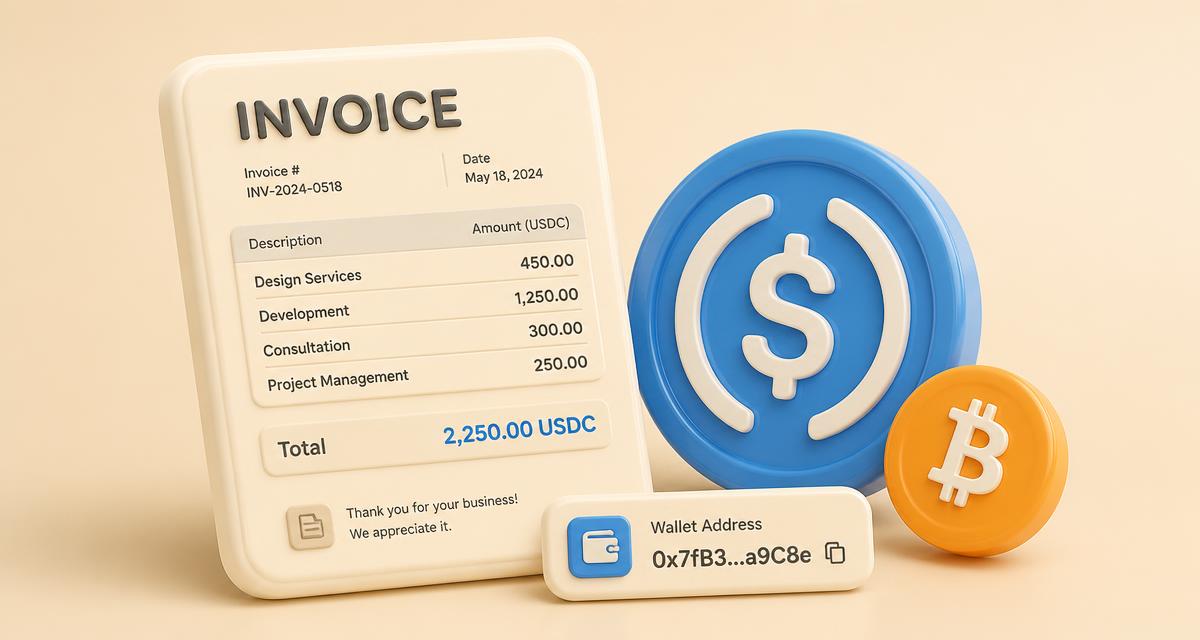 Getting Paid
How to write an invoice in USDC or bitcoin
What goes on a crypto invoice: the coin amount, the rate and its source, the receiving address and the network, and which amount leads.
Read article → Bookkeeping
Receiving Stablecoins as a Freelancer: The Complete Checklist for 2026
The complete 2026 checklist for freelancers getting paid in stablecoins, from wallet setup to a clean tax return. Nine practical steps.
Read article → Bookkeeping
The 5 Biggest Mistakes People Make Keeping Their Crypto Bookkeeping
Most crypto bookkeeping problems come down to five avoidable mistakes. Here is what they are and how to keep records that hold up at tax time.
Read article → Tax & Compliance
How Do You Prove Your Crypto Income to the Tax Authority or a Mortgage Lender?
A wallet full of USDC is not a payslip. Here is what counts as proof of crypto income for the tax authority and a mortgage lender, and how to build it.
Read article → Tax & Compliance
Do I Have to Charge VAT If I'm Paid in Stablecoins?
Getting paid in USDC does not exempt you from VAT. Here is how VAT works when your invoices are settled in stablecoins, and what to put on the invoice.
Read article → Getting Paid
Stablecoins Versus a Business Bank Account: Which Is Faster and Cheaper?
A traditional bank transfer and a stablecoin payment behave very differently on speed, cost and availability. Here is how they compare, and when each one makes sense.
Read article → Crypto Basics
What Is a Depeg and What Does It Mean for Your Stablecoins?
A stablecoin is only stable as long as it holds its peg. Here is what a depeg is, why it happens, and what it means if you get paid in USDC or USDT.
Read article →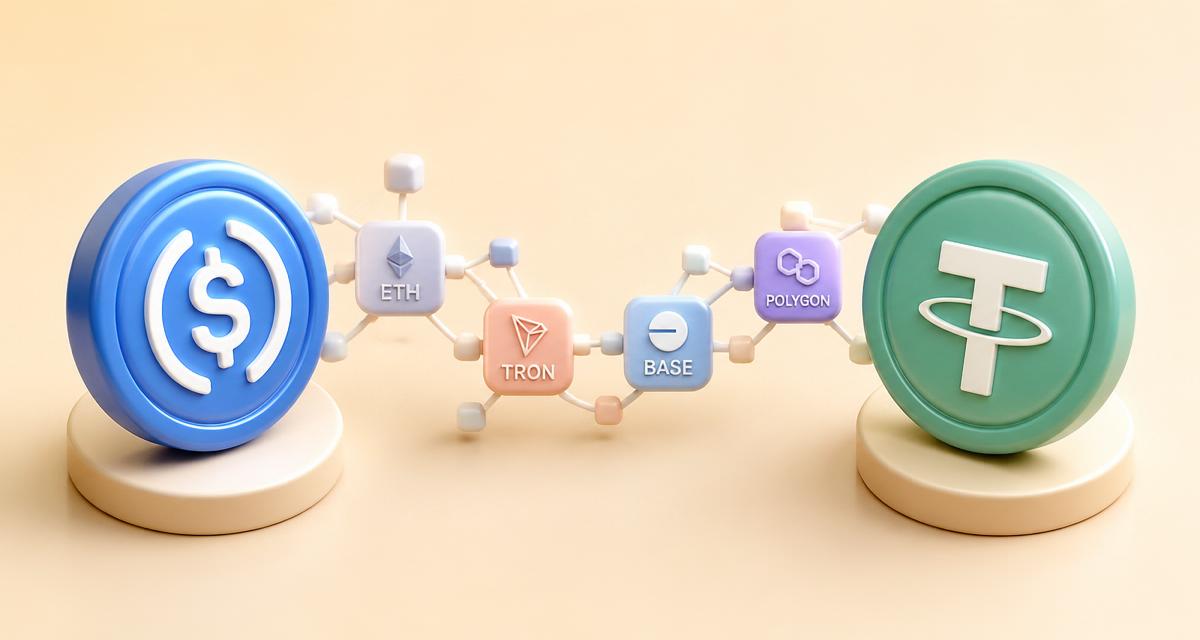 Getting Paid
Which Network Is Cheapest for Receiving Stablecoins? Ethereum, Tron, Base and Polygon Compared
The same stablecoin can cost eight dollars or eight cents to receive, depending on the network. Here is how the major networks compare, and how to pick the right one.
Read article → Getting Paid
Which Wallet Is Best for Receiving Stablecoins?
Before a single USDC can reach you, you need somewhere to receive it. The wallet you choose decides control, safety, and how easy your bookkeeping will be.
Read article → Tax & Compliance
How Much Tax Do You Pay on Stablecoins in the Netherlands?
Getting paid in USDC or USDT does not change one thing: the Dutch tax authority still wants its share. How much you pay depends on how the income reaches you.
Read article → Crypto Basics
What Is the Difference Between Cryptocurrencies and Stablecoins?
Cryptocurrencies float in value, stablecoins like USDC and USDT stay pegged to the dollar. Here is the practical difference and which to use to get paid.
Read article → Getting Paid
How Do I Sell Stablecoins for Euros?
Sell stablecoins for euros and withdraw to your bank. Here is how it works through an exchange and how to keep your bookkeeping clean.
Read article → Getting Paid
Receiving Payments in Stablecoins and Crypto: Easier Than You Think
Wallets, USDC, USDT, exchanges and clean books. A simple walkthrough of how to get paid in crypto and keep your bookkeeping straight.
Read article → Bookkeeping
Why Keeping Your Blockchain Bookkeeping Matters
The blockchain records everything, but recorded is not readable. Here is how blockchain bookkeeping works and why you want clear euro-based overviews.
Read article → Tax & Compliance
What DAC8 Means for Freelancers Getting Paid in Crypto
Since 1 January 2026 exchanges report your crypto to tax authorities. What DAC8 covers, what it misses, and the checklist freelancers need now.
Read article → Getting Paid
Stablecoins as a Payment Method: What It Means to Get Paid in USDT or USDC
Stablecoins as a payment method are booming. Learn why USDT and USDC are growing and how to keep clean books on your crypto income.
Read article → Getting Paid
The reasons you should use stablecoins for international payments
Stablecoins let freelancers get paid internationally without slow banks or costly middlemen. Here is why, and how to receive, hold and cash out.
Read article → Tax & Compliance
Crypto Regulation in Europe: What Freelancers Paid in Crypto Need to Know
MiCA, DAC8 and tax authorities now see more of your crypto than ever. Here is what that means for freelancers, and how to stay ready.
Read article → Bookkeeping
Getting Paid in Crypto as a Freelancer: Keep Your Admin Clean
Receive crypto payments, match them to invoices and export clean reports for your bookkeeper. Non-custodial. Built for freelancers.
Read article → Crypto Basics
What Are Stablecoins? A Freelancer's Guide to USDC and USDT
Stablecoins like USDC and USDT let freelancers get paid in crypto without the price swings. Here is what they are and why they work.
Read article →